
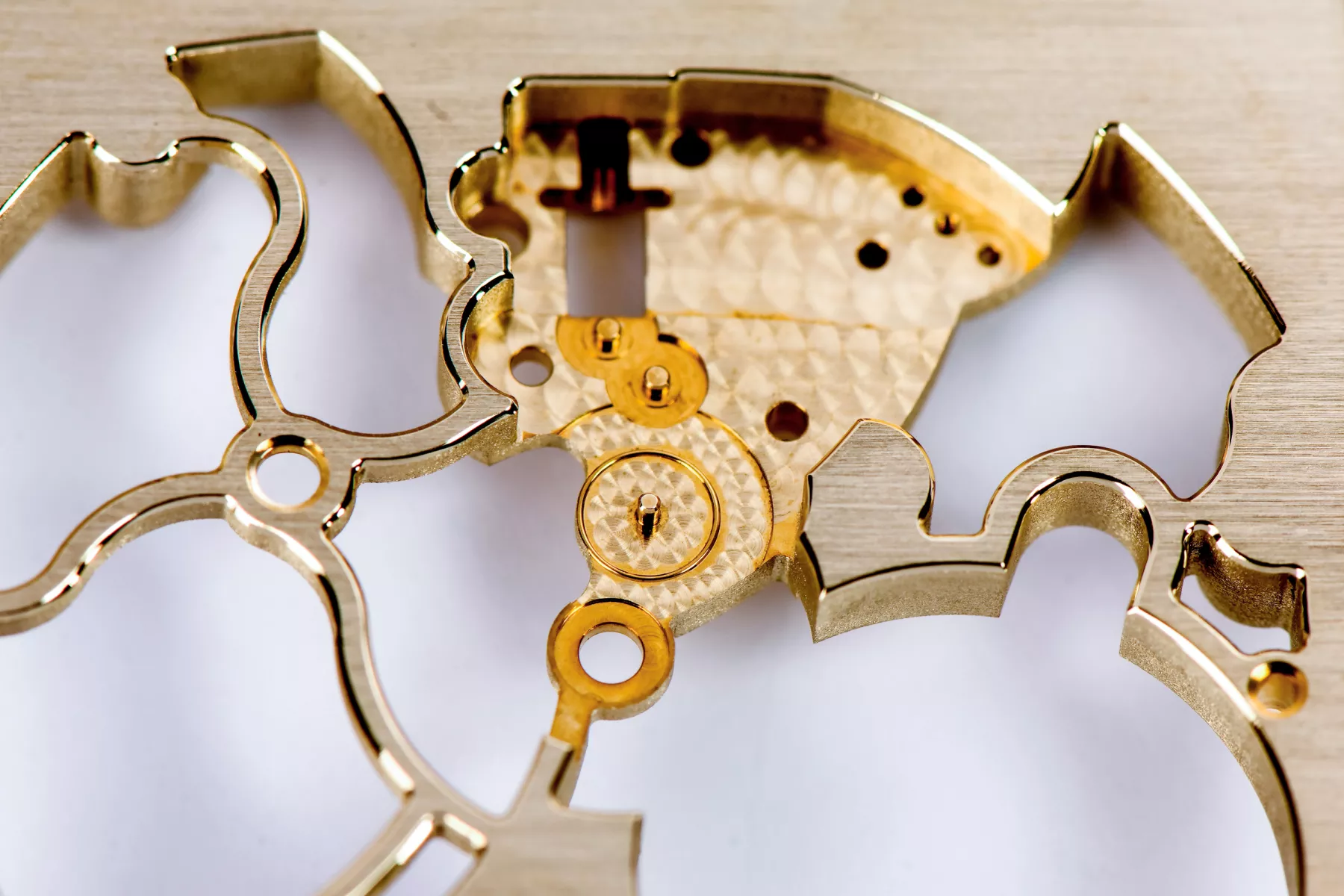
Craftsmanship
The art of detail
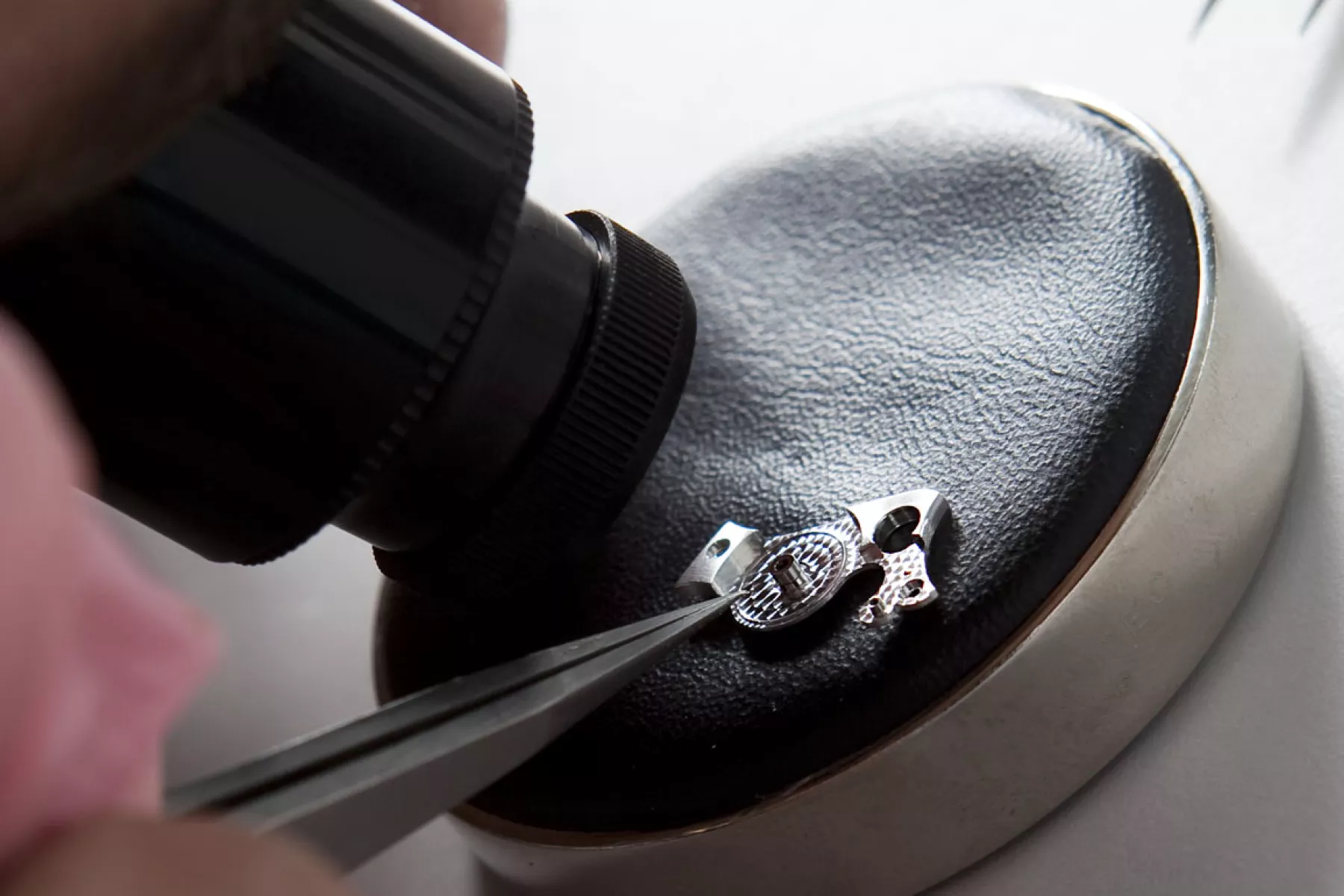
Craftsmanship is founded on a simple conviction: no part of the movement should ever be overlooked. Bevelling, polishing and decoration, straight-grained flanks and smoothed faces all serve the same pursuit: to give every detail lasting beauty. The Poinçon de Genève is the mark of a rare aesthetic, born of precision of execution and mastery of finishing.
The 10 craftsmanship criteria
The Poinçon de Genève regulations define 10 craftsmanship criteria. Together, they express a single ambition: mastery of finishing, down to the movement's most discreet details.
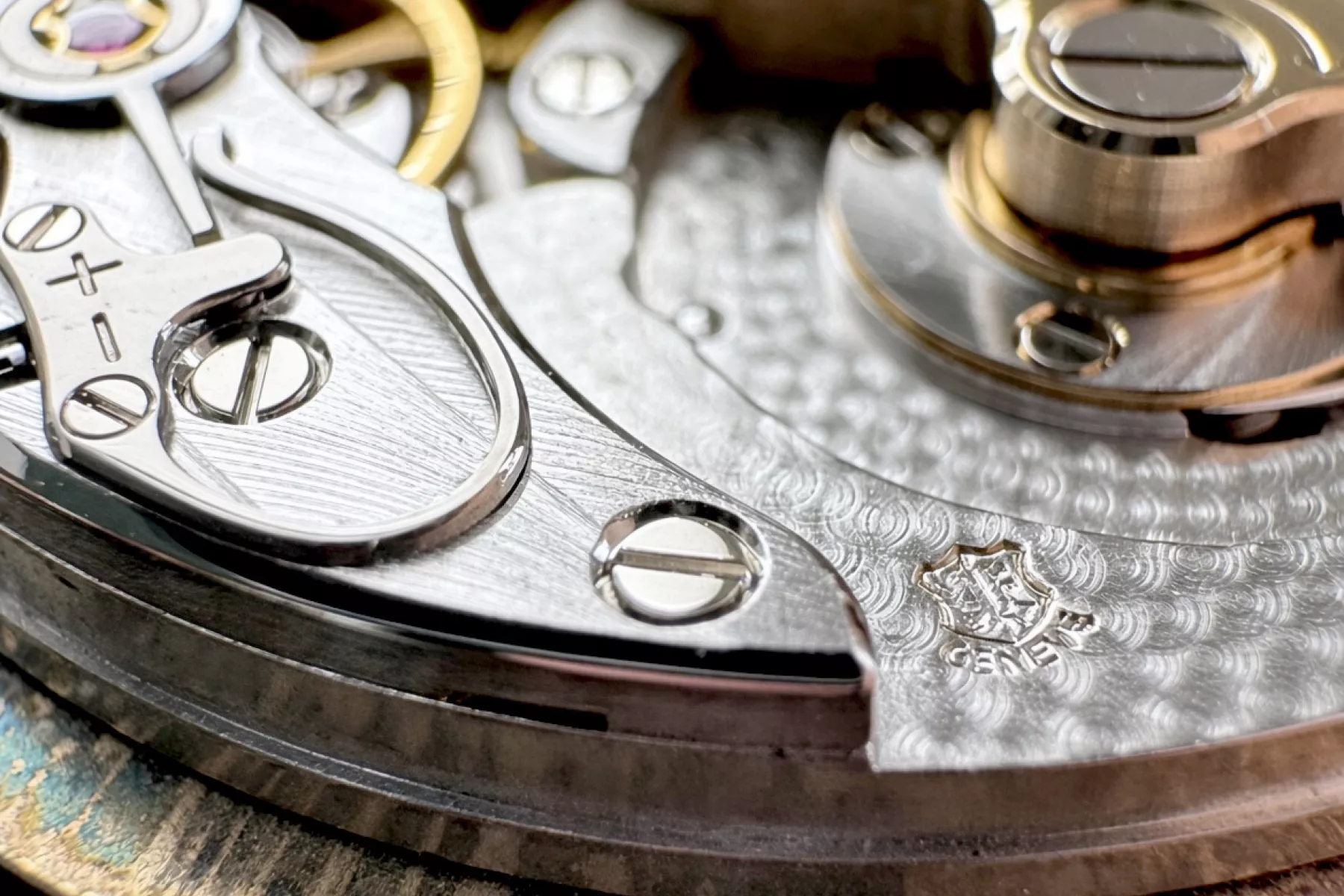
Movement components
All components of the movement, additional modules and connecting components are meticulously machined and must show no marks from uncontrolled manufacturing processes.
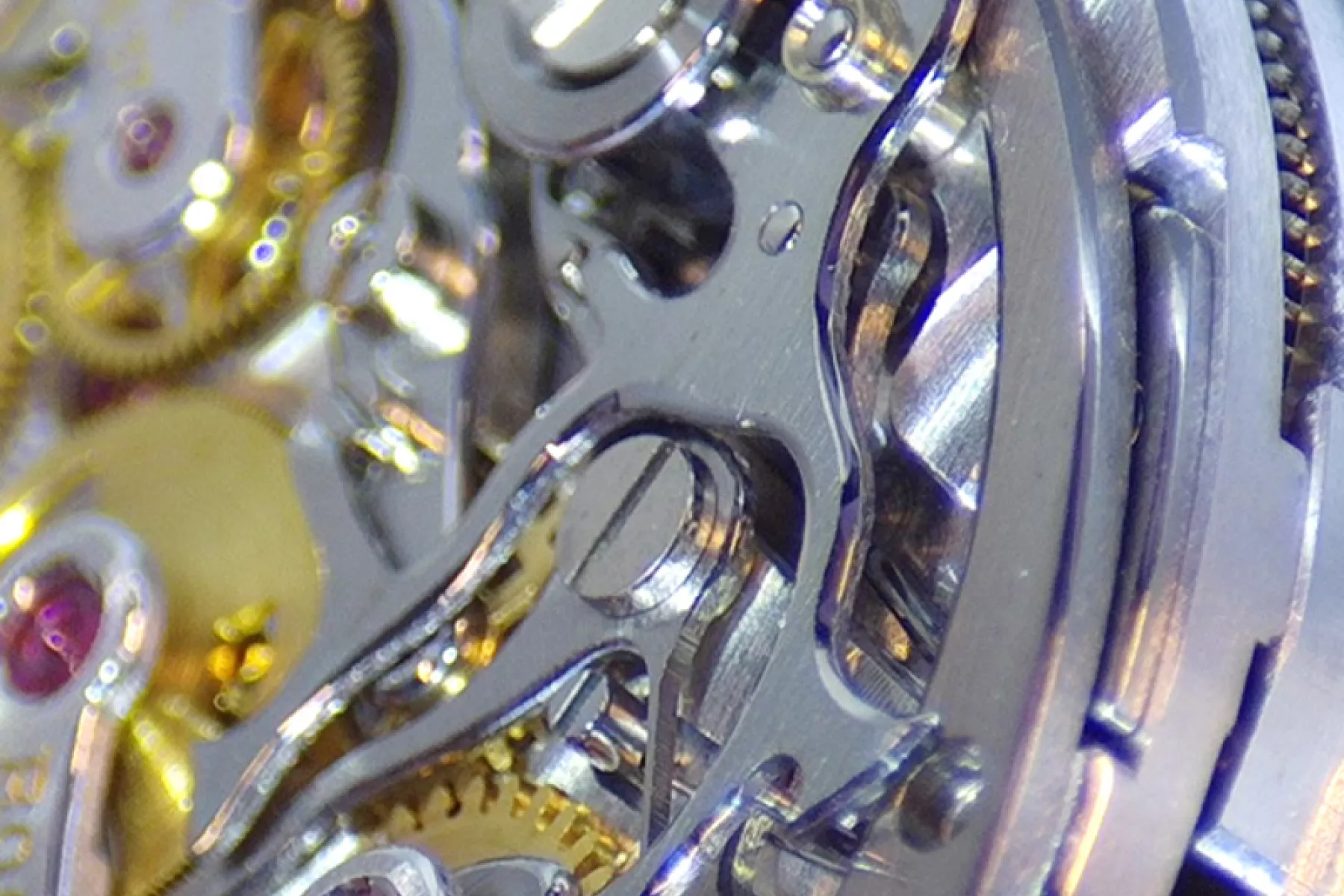
Shaped parts and supplies
All shaped parts and supplies in the movement are impeccably finished: polished bevels and chamfers, straight-grained flanks, smoothed supporting faces and decorated upper surfaces. Wire springs are prohibited.
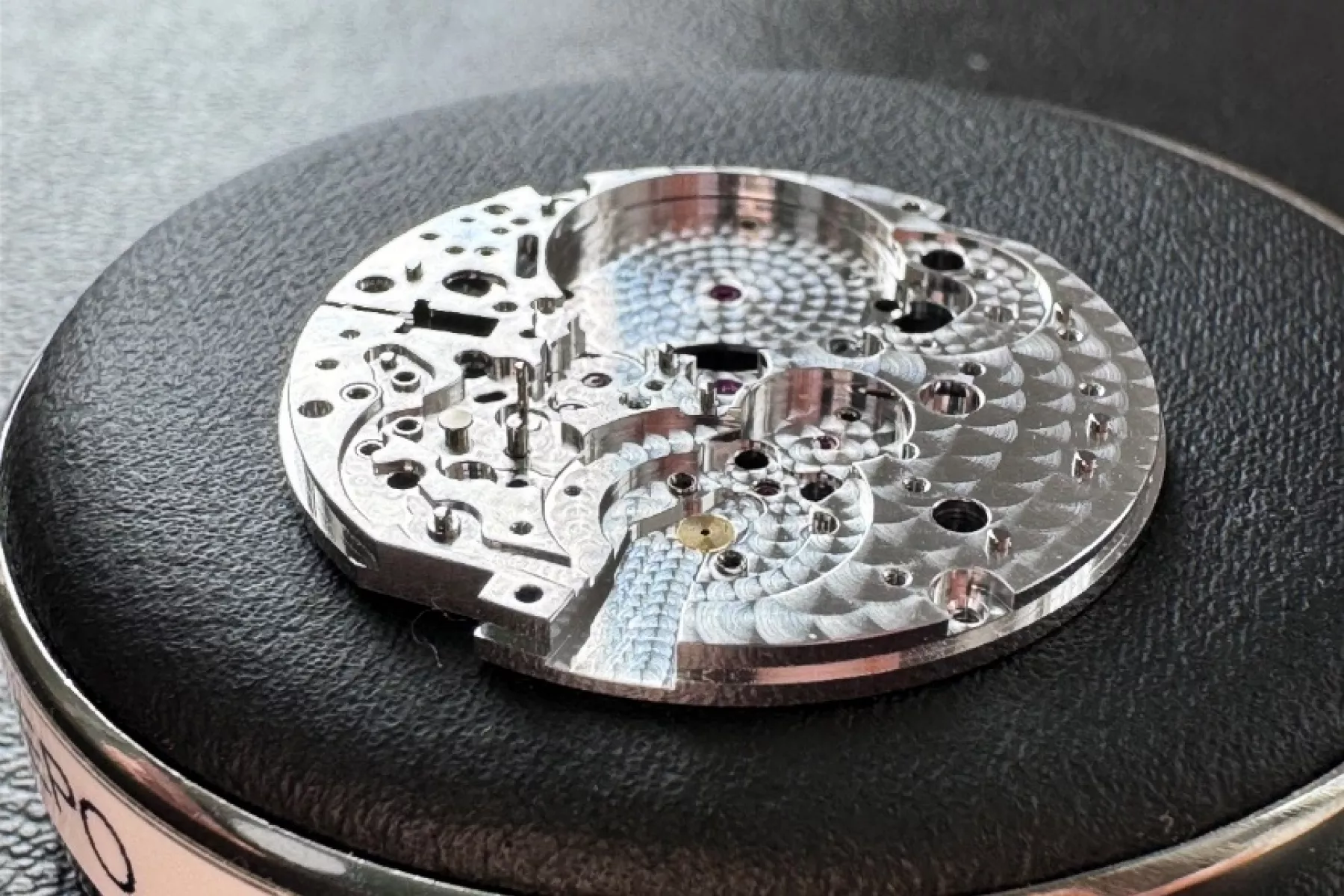
Baseplates and bridges
Baseplates and bridges feature polished bevels and chamfers, polished sinks, straight-grained flanks and smoothed supporting faces, while the tops of the bridges are finished with Côtes de Genève or another form of decoration.
Jewelling
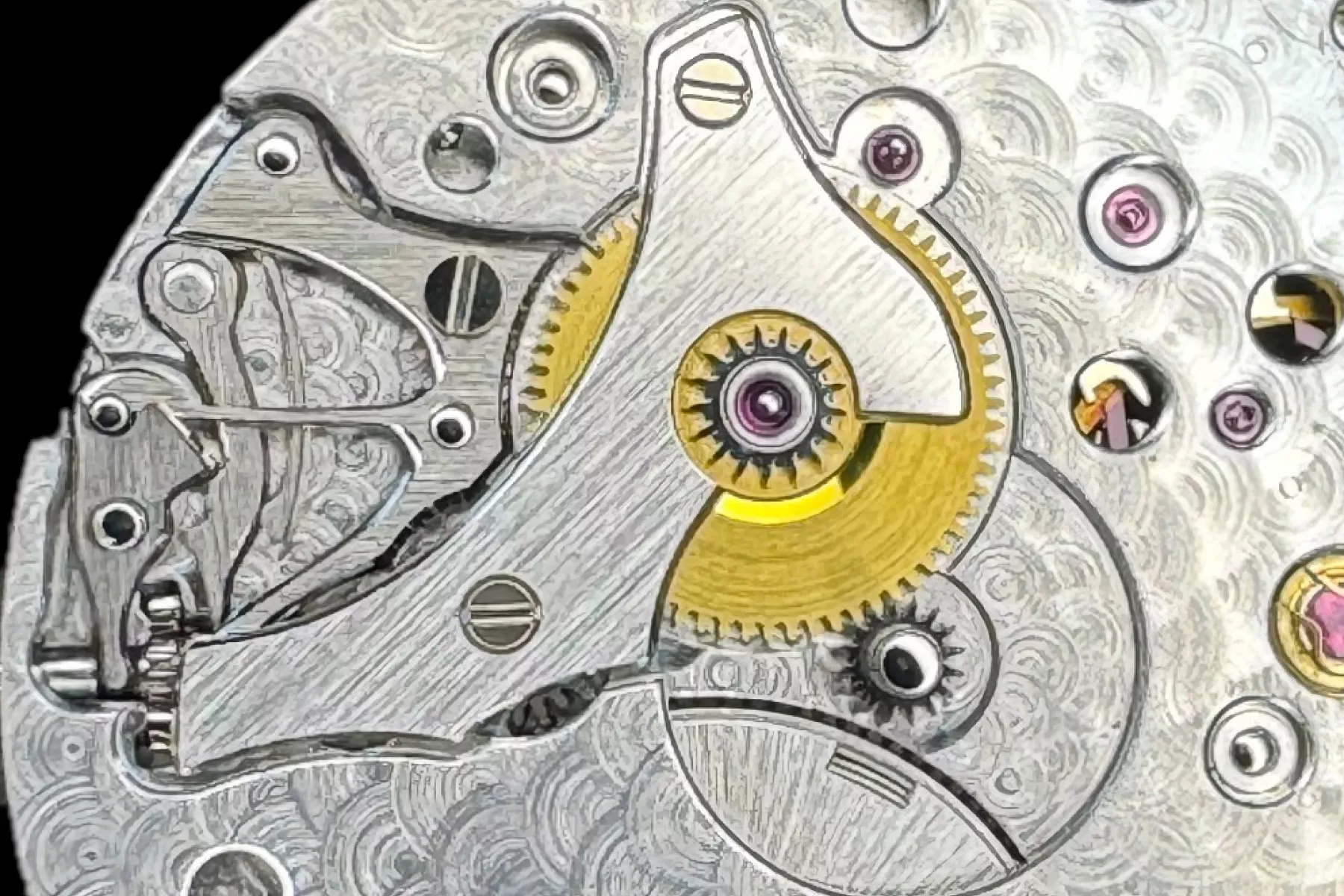
The jewelling includes jewels with polished holes for the going train, together with semi-brilliant jewels on the bridge side and polished sinks.
Wheel train
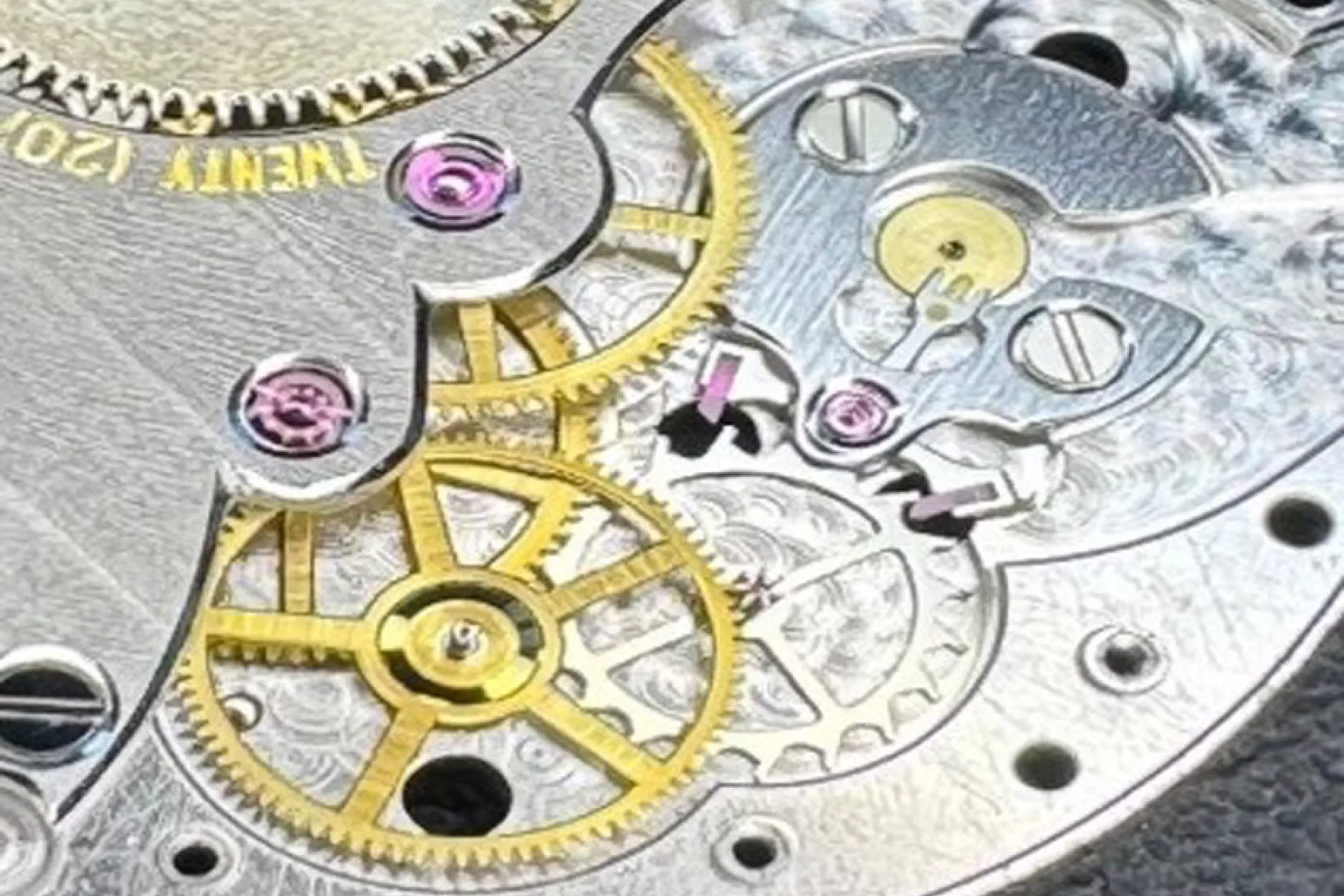
The wheel train, including wheels, intermediate wheels and other gears, is decorated on both sides, with bevelled and polished spokes and polished sinks.
Going train and pinions
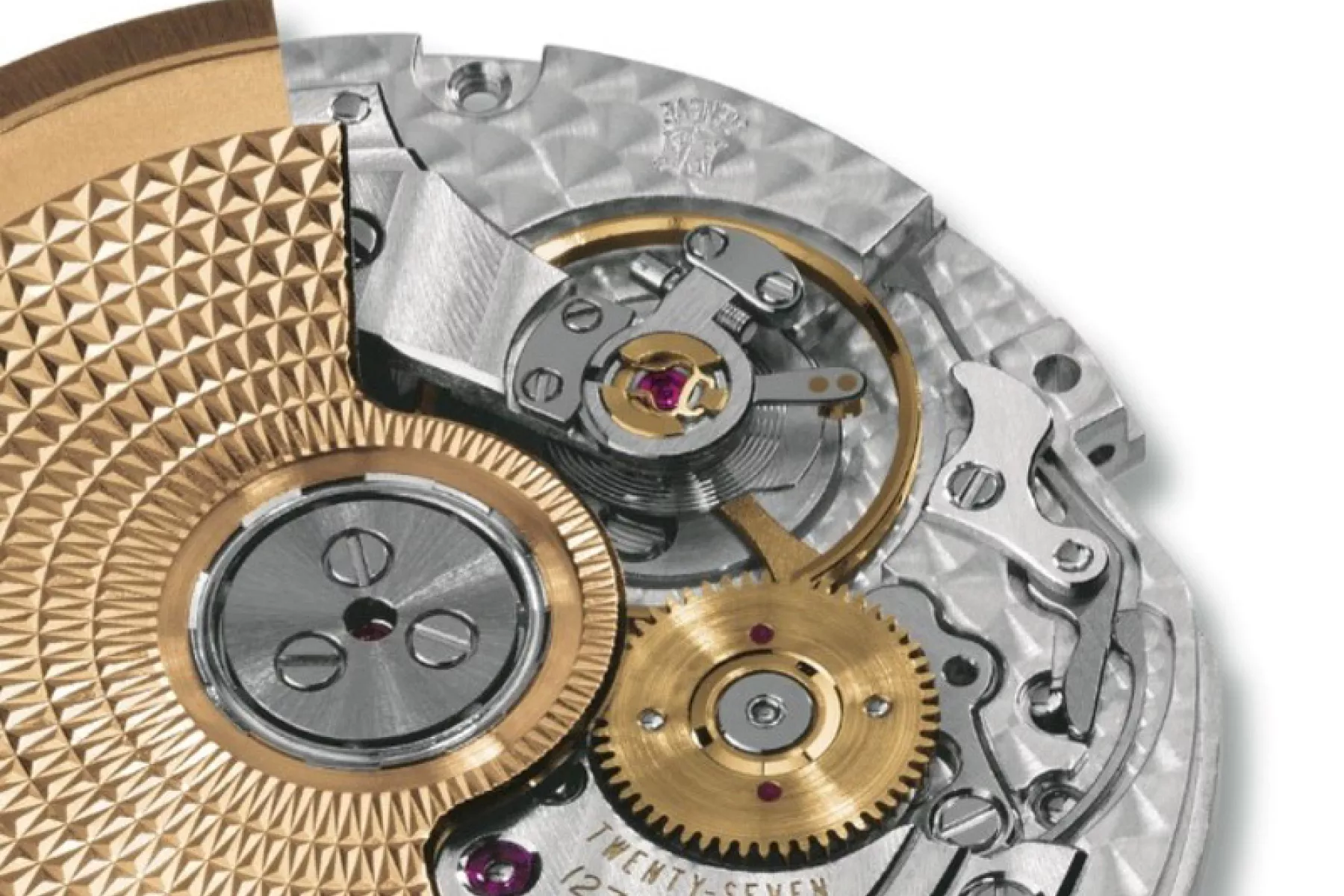
The going train also features burnished functional surfaces on the pivot-shanks and polished pivot ends. Pinions have finished faces and polished leaves.
Balance spring
The balance spring is assembled without adhesive, with a stud with a head and a round collar. A mobile stud holder is permitted, while fitted or split index regulators are allowed with a retaining system.
Escapement
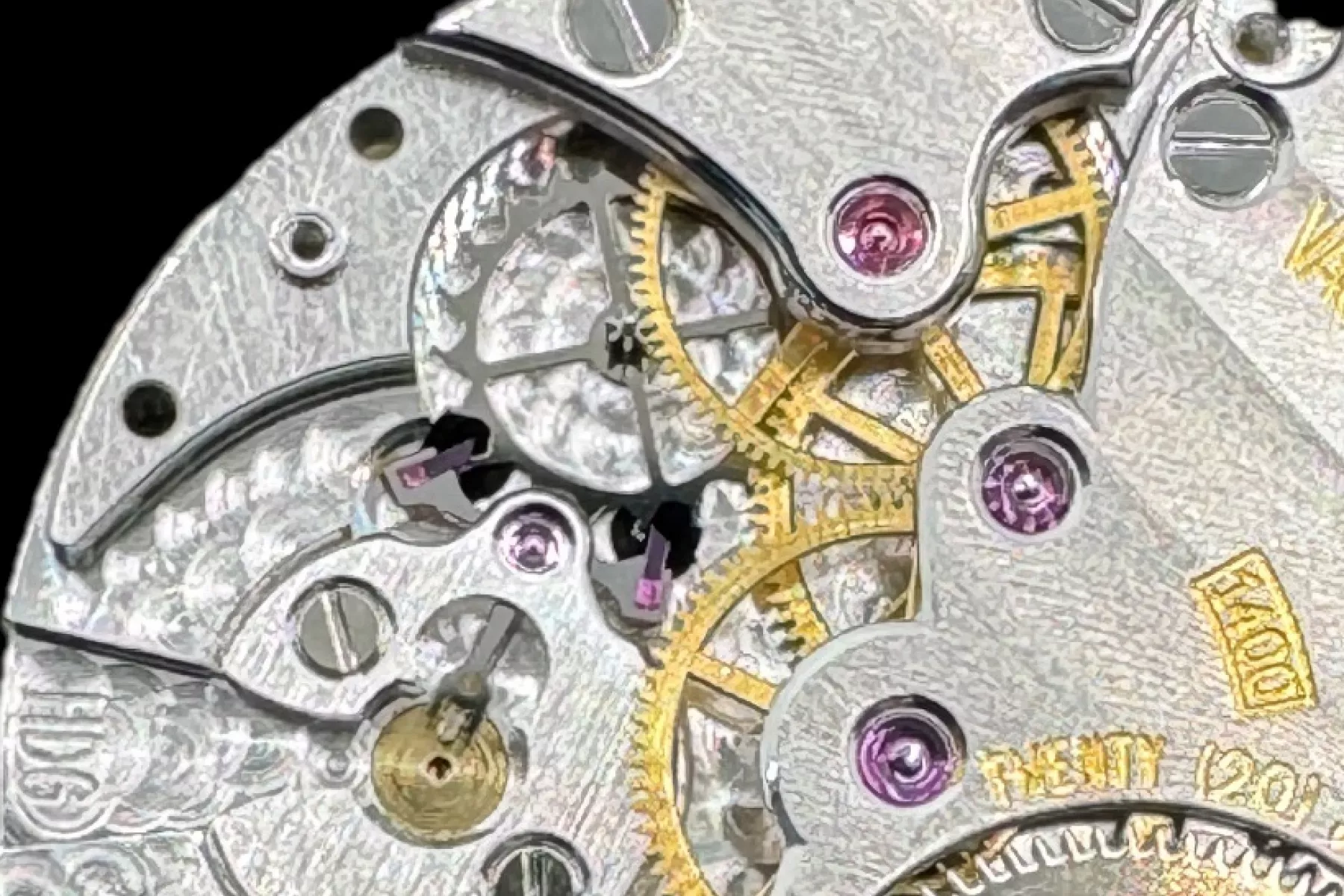
Positioned between the going train and the regulating organ, the escapement is essential to the smooth running of the watch. It has an escape wheel with polished locking faces and a lever with adjustable pallets. The lever’s angle of travel is limited by two fixed banking walls, not by pins or studs.
Oscillating weight
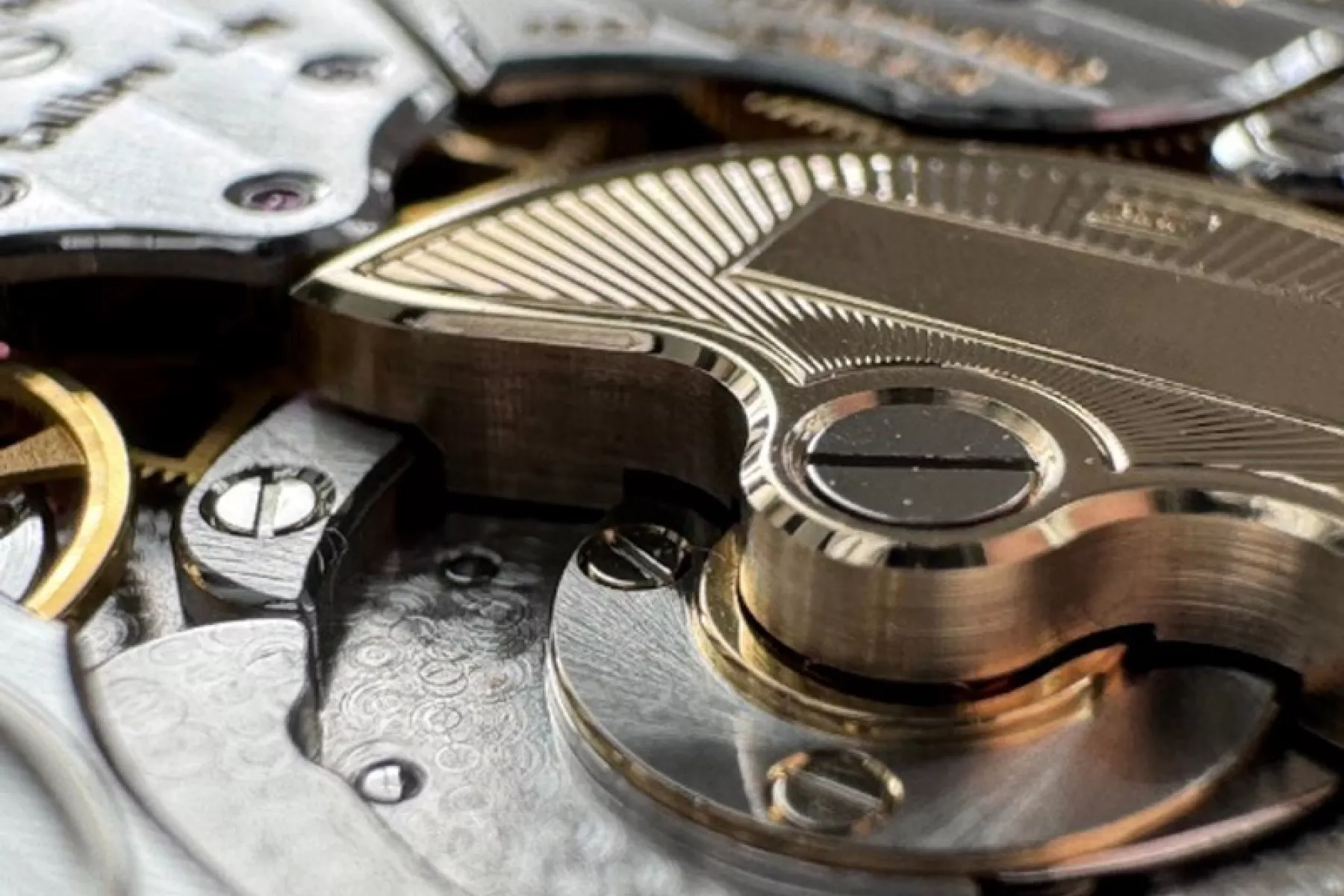
The oscillating weight, where present, is decorated on its visible face and carefully finished on its concealed face. Whether visible or hidden, it receives the same degree of care as the rest of the movement
Connecting components
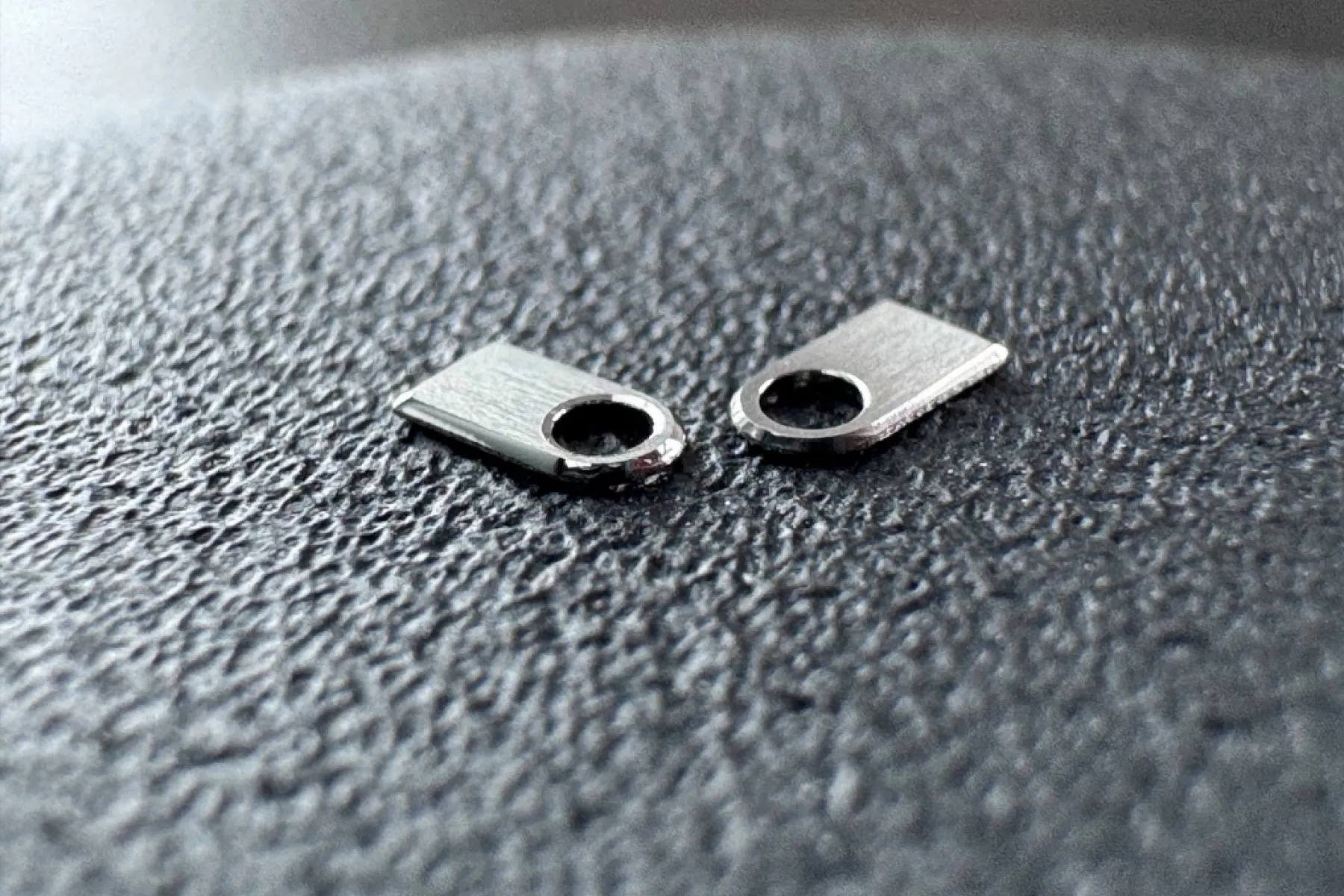
The connecting components between the movement and the case, including clamps, screws, levers, casing rings and extensions, are machined, decorated and polished in accordance with the finishing criteria applied to the movement.